Food Handling

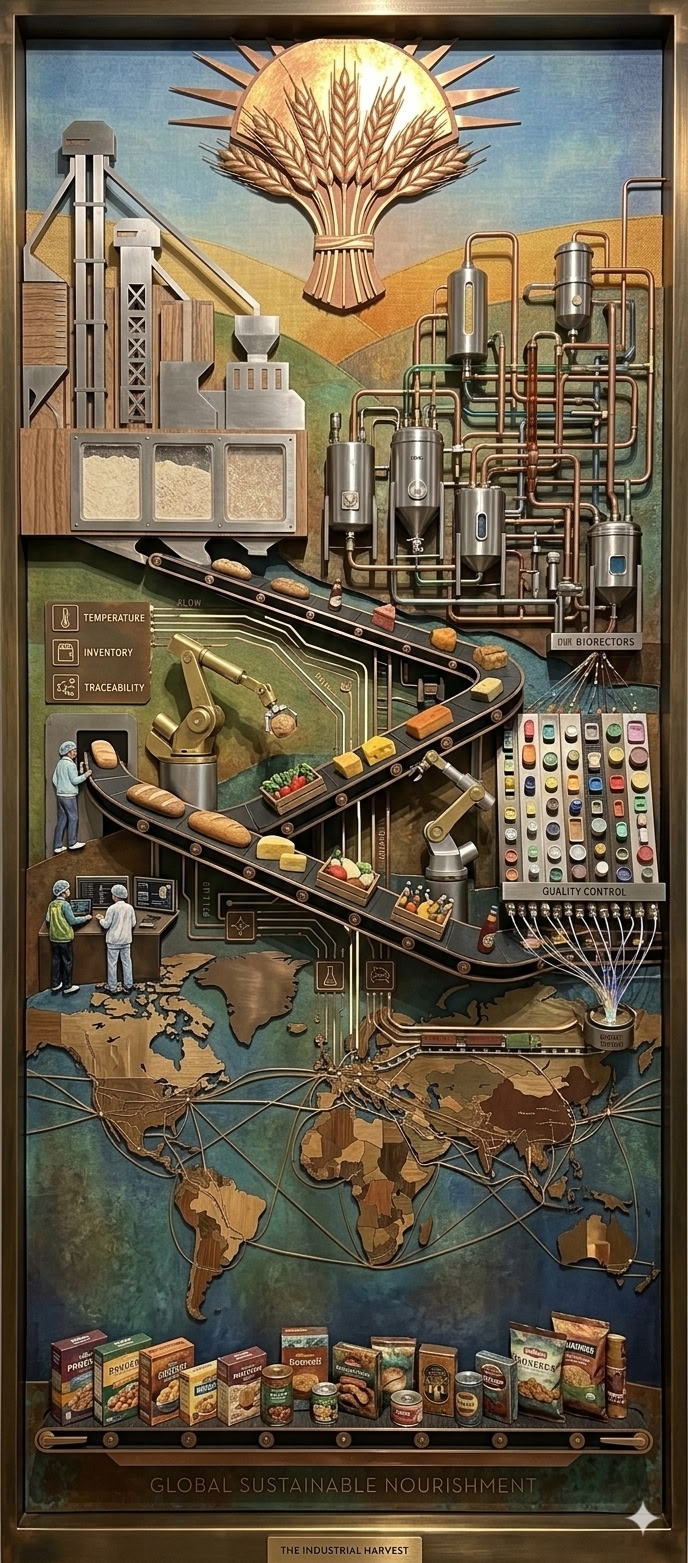
Production Facilities

Warehousing&Maintenance

Quality Control& Administration

  • 01
    Production Facilities
  • 02
    Warehousing&Maintenance
  • 03
    Quality Control& Administration

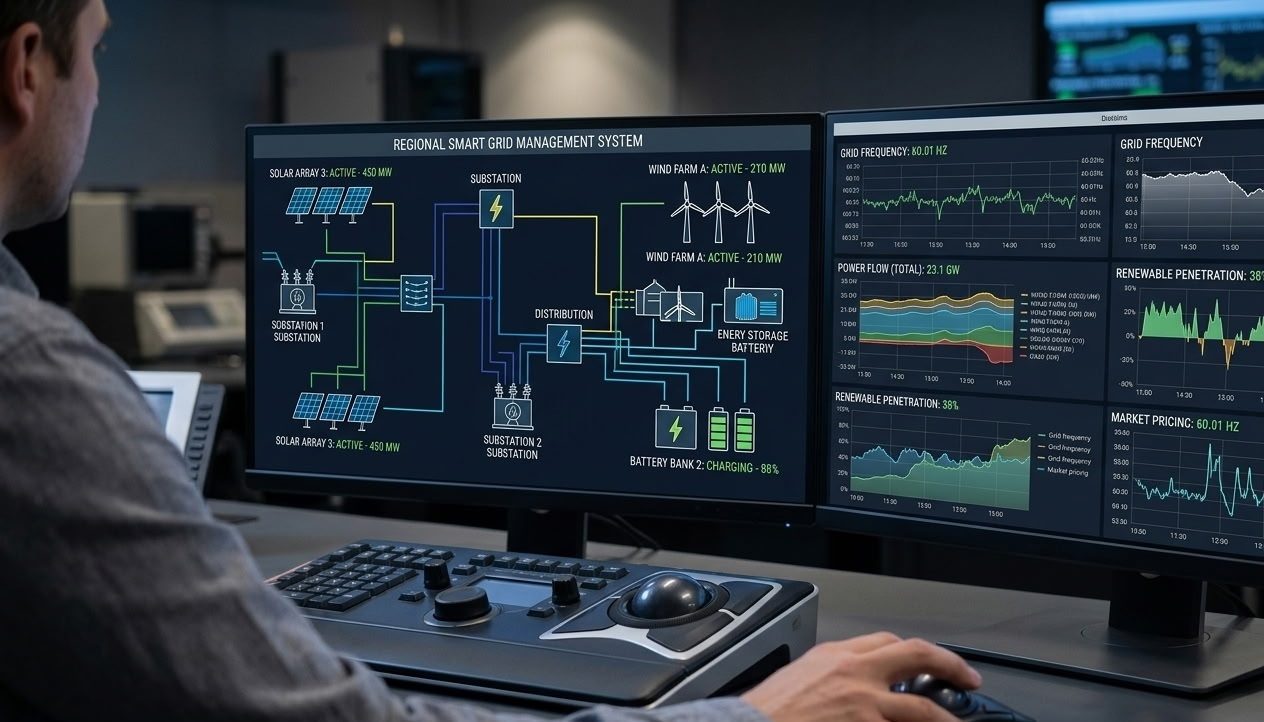
Generation

  • Production Facilities
  • Administration
  • Renewables

Transmission

  • Switching & Balancing
  • Dispersed Infrastructure
  • High Voltage

Distribution

  • Substations
  • Smart Grid & Metering
  • Endpoint Delivery

Pest Management Needs of The Food Industry

Food manufacturers require effective pest control measures to maintain food safety, protect product quality, and comply with food safety regulations. Pests such as rodents, flies, cockroaches, ants, and stored-product insects can contaminate raw materials, processing equipment, packaging, and finished products, potentially causing foodborne illnesses, product damage, and financial losses. Pest control programs in food manufacturing facilities typically include regular inspections, monitoring devices, proper sanitation, waste management, structural maintenance, and preventive treatments to reduce the risk of infestations. These facilities also require integrated pest management (IPM) strategies that focus on preventing pest entry, identifying potential breeding areas, and using pesticides safely and responsibly when necessary. Overall, effective pest control is essential for maintaining a clean and hygienic production environment, protecting employees and consumers, preventing product recalls, and ensuring compliance with industry standards and food safety requirements.

Rodents

Contaminate food and food-contact surfaces with droppings, urine, and hair. They can chew through packaging, damage electrical wiring, and spread disease-causing pathogens.

High voltage power lines:

more than 240k miles

Total electricity usage (2025):

4.20 trillion kWh

Cockroaches

Spread pathogens through their bodies, droppings, and secretions. They can contaminate ingredients, packaging, and processing equipment, creating sanitation concerns.

-U.S. Energy Information Administration

"...the annual growth in total U.S. electricity demand is projected to average about 2% from 2025 through 2050"

Image

Safety as a core value

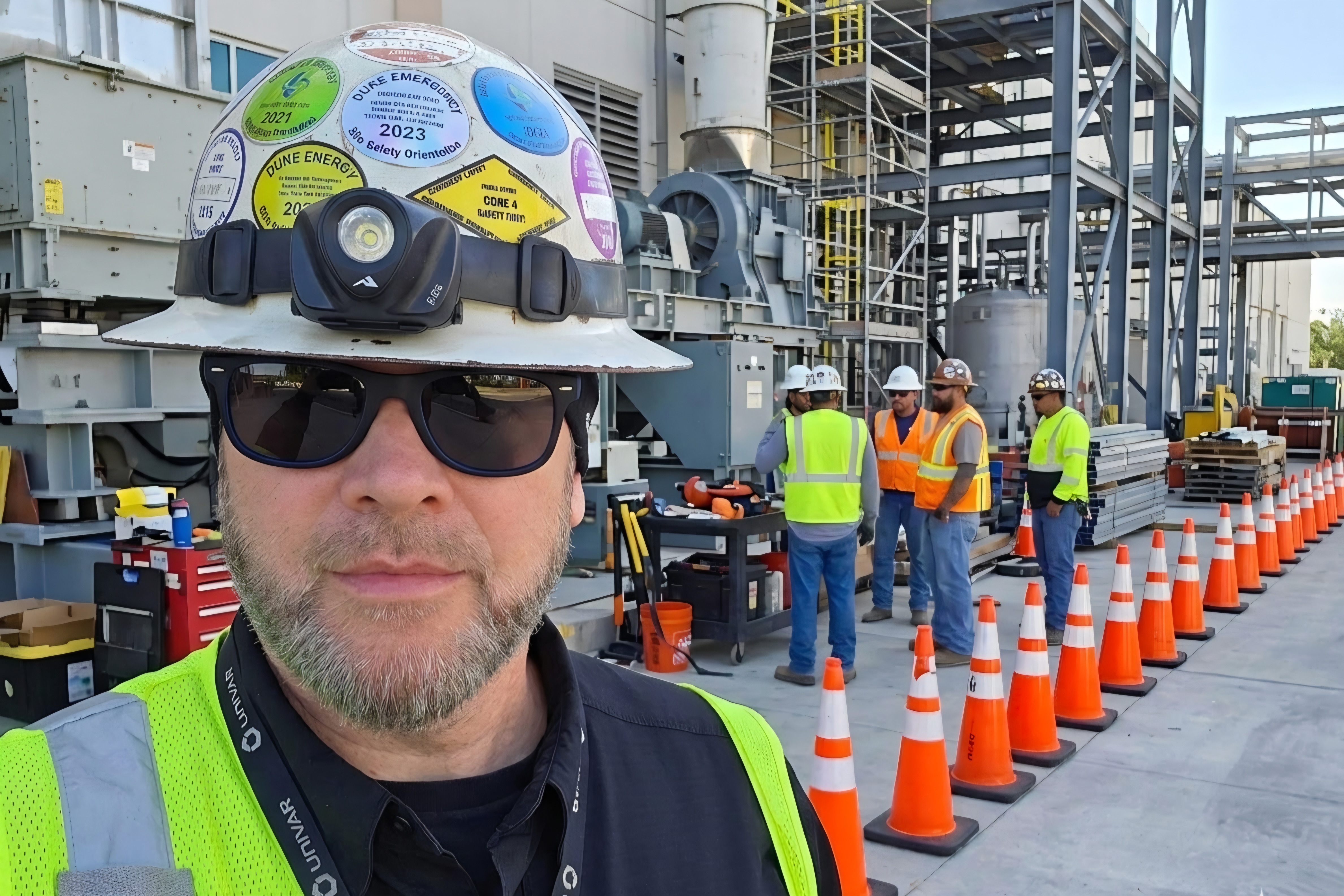
Safety standards function as a high value asset within the energy sector. Protecting workers requires strict protocols specific to the industry. Providing a safe work environment and managing risks in a responsible manner are a requisite investment in the energy workforce. Electrical generation and related subsystems most often operate under both local and federal regulatory frameworks. These frameworks offer a path to a safe and healthy workspace guranteed to every worker.

Image

"OSHA's mission is to ensure America's workers have safe and healthful working conditions...furthering a national system of worker safety and health protections."

"Our mission is to assure the effective and efficient reduction of risks to the reliability and security of the grid."

NERC - CIP - Security & Management

Our power systems are a primary target to enemies both domestic and abroad. CIP security standards manage digital and physical access to critical parts of our infrastructure protecting the availability of power where its needed most. NERC developes these standards to include personel training, emergency preparedness and system planning. These policies are federally enforced Federal Energy Regulatory Commission; they have been adopted by several foreign governments countless smaller governement entities.

Image

Want to Discuss
Your Pest Problems?

Contact us

See what we can do for your industry.

Image

637 Woodhill Dr.

Lakeland, FL 33803

Work for Pest Inspector